

Better Bee-Lieve It..
Is there a better bee pun for this? Probably. But still it’s a fun fact about bees.

It’s been very sunny here, we’ve all forgotten it’s barely spring and we’ll be horrified when it’s cold and wet again next week. This includes the bees, who I’ve seen loads of over the last few days. But did you know (because I didn’t) that the majority of bees we have here in the UK are solitary bees? As in, they don’t live in a colony, they don’t have a hive, and loads of them will make their nests under the ground.
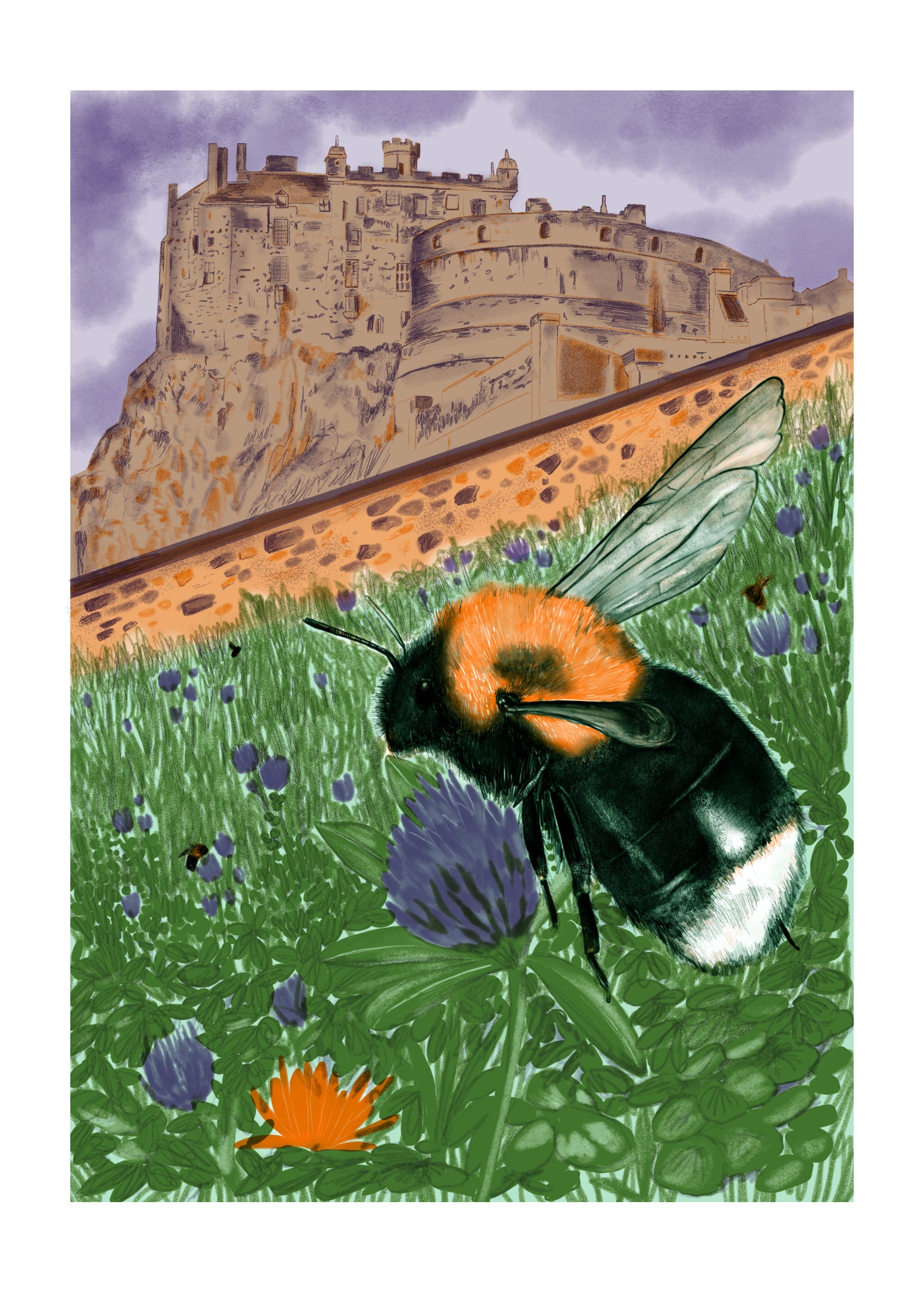
OK, so I obviously favour a bumblebee myself. We have 24 types of bumblebee in the UK and I am rubbish at telling them apart. “Easily identified by…” is what all the bee identifiers say and I just get grumpy reading that, because when a bee is going about its business, I don’t think it’s easily identifiable in any way. It’s not going to hang about on that flower/leaf/your toddler for long enough for you to decide if it has a red tail or an orange one. How many stripes? One, two, shit, it flew off. And bumblebees do nest in colonies, same as honeybees. We’ve only really got one species of honeybee in the UK and it was introduced by beekeepers. Apparently there is a native one, but you’re very unlikely to see it in the wild. And if you do, could you really tell the difference before it flew off anyway?!
So, bumblebees and honeybees make up about 10% of our bee species. The other NINETY PERCENT are solitary bees, who make their nests underground, or in handy wee holes or snail shells and other such crazy places. They make little chambers for their eggs, then seal that off and live in a different wee part of the house. Since I personally can’t remember the last time I even got to go for a wee by myself, that sounds ideal.
Solitary bees are pollinators too, very effective ones. OK, so you get the odd cuckoo or parasite bee which lays its egg in another bee’s house and then lets them do all the work while their grub eats the hosts baby… but on the whole, all these solitary bees fall hard under the “excellent pollinators” category. And they don’t really look like bumblebees, but they might look a bit like honeybees… in case you have better eyes than me, and happen to be a paid subscriber to this newsletter, I have a few for you to take a gander at just here.
Keep reading with a 7-day free trial
Subscribe to Research Notes from the Illustrated Lab to keep reading this post and get 7 days of free access to the full post archives.